
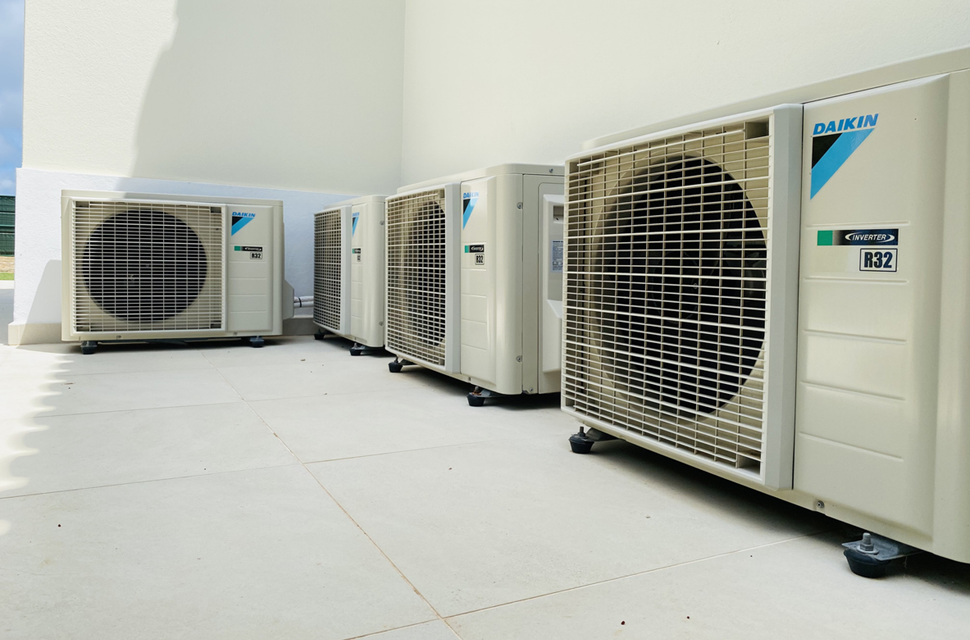
Commercial air conditioning systems play a vital role in maintaining occupant comfort, supporting productivity, and preserving healthy indoor air quality in offices and other commercial environments. HVAC (Heating, Ventilation, and Air Conditioning) systems are critical for maintaining indoor temperatures and air quality. However, as systems age, even those that have been properly maintained can begin to fall short of modern performance and efficiency standards.
Understanding when it is time to replace an existing air conditioning system, and selecting an appropriate upgrade with professional air conditioner installation, can help Australian proprietors everywhere achieve significant energy savings, while minimising operational disruptions. This will help you, your staff, and your clientele enjoy a more consistent and comfortable indoor climate. Scroll down to learn more!
Why Quality Commercial Air Conditioning Matters
Commercial environments typically place higher demands on cooling systems than residential spaces due to larger floor areas, higher occupancy levels, and heat generated by equipment and technology. When an air conditioning system becomes inefficient or starts to deteriorate, it can:
- Increase energy consumption and operating costs
- Create inconsistent or uneven temperatures throughout the space
- Result in more frequent faults, repairs, and unplanned downtime
- Reduce occupant comfort, focus, and overall productivity
Identifying the early indicators of system decline allows businesses to plan air con installation Melbourne upgrades proactively, avoiding reactive decisions and minimising operational disruption.
Common Signs That Your Commercial A.C. Needs Replacing
Wondering if and when you need to replace your commercial air conditioning? Keep an eye out for the following tell-tale signs…
- Energy Bills Have Increased Without a Corresponding Rise in Usage: A noticeable increase in electricity costs, despite stable operating hours or occupancy levels, is often a sign that your system is working harder than it should. Declining efficiency forces the unit to consume more energy to achieve the same level of cooling.
- Cooling is Uneven & Comfort Levels Vary Across the Space: Inconsistent temperatures between rooms or zones can indicate failing components, poor airflow, or an undersized or outdated system. These comfort issues can disrupt daily operations and lead to complaints from staff or occupants.
- Breakdowns & Repairs Have Become More Frequent: Repeated faults and ongoing maintenance requirements are clear indicators that key components are nearing the end of their service life. As repair costs accumulate, replacing the system often becomes more cost-effective than continuing to fix it.
- There Are Unusual Noises or Persistent Odours Coming From the System: Grinding, rattling, or banging sounds, as well as musty or burning smells, can signal mechanical problems, electrical issues, or internal contamination. These symptoms should not be ignored, as they may pose safety or health concerns.
- Your Indoor Air Quality Has Declined: Poor air circulation, increased dust, lingering odours, or humidity issues may indicate that the system is no longer effectively filtering or managing airflow. This can impact occupant health, comfort, and productivity, particularly in enclosed commercial environments.
- Your System’s Technology is Simply Too Old: Older commercial air conditioning systems are often less efficient and may no longer meet current performance, safety, or energy standards. As components wear over time, the system can struggle to deliver reliable cooling and may lack modern features designed to improve efficiency and control.
When Repairs Don’t Make Financial Sense
A useful rule of thumb to keep in mind: when the cost of annual repairs begins to approach around half the price of a new air conditioning system, replacement is often the more sensible long-term investment. At this point, continuing to repair an ageing system can deliver diminishing returns. In contrast, modern air conditioning systems typically offer improved energy efficiency, greater reliability, and the added reassurance of comprehensive manufacturer warranties.
Why Upgrade to Daikin Commercial Air Conditioning?
Once the decision has been made to replace your commercial air conditioning system, selecting the right replacement becomes a critical factor in achieving long-term performance and value. The system you choose will influence energy efficiency, operating costs, comfort levels, and reliability for years to come.
It’s worth considering that Daikin’s commercial air conditioning systems are globally recognised for their high quality performance, energy-efficient operation, scalable design options, and proven reliability across a wide range of commercial applications.
Advanced System Options for Commercial Installations including VRV (Variable Refrigerant Volume) Systems and Rooftop Packaged Units.
The Key Benefits of a Daikin Commercial System
- Superior Energy Efficiency
Daikin air conditioning systems in Melbourne incorporate advanced refrigerant management and inverter-driven technology to precisely regulate output based on actual demand. By delivering cooling or heating only where and when it is required, these systems minimise energy wastage, improve overall efficiency, and help reduce ongoing operating and electricity costs for commercial facilities. - Comfort & Control Across Every Zone
Independent temperature control across multiple zones allows different areas of a building to be conditioned according to their specific usage and occupancy requirements. This level of control improves overall comfort for occupants while preventing unnecessary cooling or heating in spaces that are unoccupied or have lower demand. - Engineered for Commercial-Grade Performance
Daikin systems are purpose-built to handle the rigours of commercial operation, delivering consistent performance across a wide range of ambient conditions. Constructed with durable, high-quality components, these units are designed for reliability, longevity, and sustained efficiency in demanding, large-scale commercial environments.
Total Electrics & AC: Your Melbourne Commercial AC Partner
Selecting a high-performance air conditioning system is only one component of a successful upgrade; professional installation and reliable ongoing support are equally critical. This is where Total Electrics & AC delivers added value. Our experienced team carefully evaluates your building’s cooling requirements, operational needs, and budget considerations to recommend the most suitable Daikin commercial solution.
Correct installation plays a key role in ensuring long-term performance and efficiency. Total Electrics & AC carries out every installation with precision, ensuring your new system operates at optimal efficiency from day one while fully complying with relevant safety standards and building regulations. You can get a free quote on our homepage, or contact us directly here.
Your Commercial AC Questions Answered
Can a new Daikin commercial system improve indoor air quality?
Absolutely! Modern Daikin commercial systems are designed with advanced filtration technologies and intelligent airflow management, which work together to improve indoor air quality throughout your building. By reducing dust, controlling humidity, and filtering out airborne pollutants and irritants, these systems create a healthier and more comfortable environment, particularly in high‑occupancy commercial spaces where air quality can quickly degrade.
How do I choose the right size commercial AC system for my building?
Selecting the correct system size requires a thorough professional assessment. Technicians consider a range of factors including total building area, floor plan layout, insulation levels, typical occupancy, and heat generated by equipment and lighting. Detailed load calculations are then performed to ensure the new system delivers balanced, efficient cooling across all areas without overworking the unit or wasting energy. Choosing the right size ensures comfort, efficiency, and longevity.
Are Daikin commercial air conditioning systems covered by warranty?
Yes indeed! Most Daikin commercial units come with manufacturer warranties covering major components. Warranty terms and coverage details vary by model, so it is important to confirm the specifics for your chosen system, and you should keep in mind that proper installation and regular servicing are usually required to maintain warranty protection.
How long do commercial air conditioning systems typically last?
While actual lifespans depend on the model, usage intensity, and environmental conditions, most commercial HVAC systems operate effectively for 10 to 15 years. Regular maintenance, timely repairs, and appropriate usage can extend this lifespan, helping to protect your investment and maintain consistent performance over time.
How often should I service my new Daikin commercial air conditioning system?
To ensure reliable performance and maintain warranty compliance, annual servicing is generally recommended. In high‑usage or particularly demanding environments, bi‑annual maintenance may be beneficial. Regular inspections and servicing help prevent common issues such as clogged filters, refrigerant leaks, and inefficient operation, ensuring your system continues to run efficiently and deliver optimal comfort year-round. If you’d like a professional consultation, don’t hesitate to get in touch with us directly.