
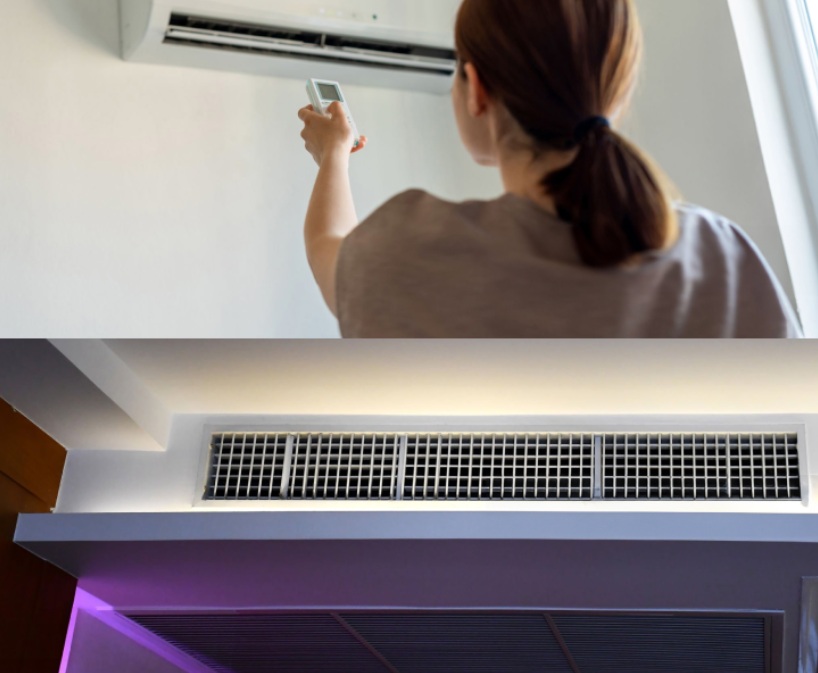
If you’ve found yourself here, there’s a good chance you’re thinking about upgrading your home’s heating & cooling system; and if so, you might be wondering whether a single-split air conditioning system or a multi-split air conditioning system is best suited. Well, there are pros and cons to both, and the best one for you will ultimately boil down to your home’s individual factors. Breeze on down as we take you through it!
Single-Split Air Conditioning Systems
A single-split air conditioning system is a type of setup where one indoor unit (evaporator) is connected to a single outdoor unit (condenser). This arrangement provides a simple and efficient solution for cooling or heating individual rooms, making it ideal for scenarios where full building climate control is not required.
- One of the main advantages of a single-split system is its relatively easy installation and lower upfront cost compared to more complex systems, as it involves fewer components and simpler refrigerant lines.
- Typical use cases for single-split systems include situations where you only need climate control in one specific room, such as an office, bedroom, or small living space.
- They are also suitable if you are retrofitting air conditioning into an existing room without needing to modify other areas, or if your priority is to keep installation costs and system complexity to a minimum.
Overall, single-split systems are a practical, cost-effective choice for small-scale or targeted climate control needs.
Multi-Split Air Conditioning Systems
A multi-split air conditioning system is a more advanced setup where multiple indoor units are connected to a single outdoor unit. This type of system allows for independent control of each indoor unit, so different rooms or zones within a building can be maintained at customized temperatures according to specific comfort requirements.
- Key features of multi-split systems include the fact that a single outdoor unit reduces the need for multiple external installations, saving wall or garden space while keeping the building exterior uncluttered.
- The indoor units can vary in type—wall-mounted, ceiling‑cassette, ducted, or even floor-standing models—depending on room layout and design preferences.
- Each zone can be controlled separately, giving occupants flexibility to adjust temperature settings in individual areas.
- However, multi-split systems involve more complex refrigerant piping and control systems, which can increase installation time and cost.
Despite this, they offer superior flexibility and efficiency for homes or buildings where multiple rooms require independent climate control.
What Should I Consider When I’m Making My Choice?
When beginning the process of choosing between a single-split or multi-split air conditioning system, there are several important factors that should guide your decision. Carefully considering the following elements will help ensure the system you choose meets your comfort, efficiency, and budget requirements.
- How Many Rooms Need to Be Heated/Cooled?
The first consideration is how many rooms or zones require climate control. A single-split system is typically sufficient for cooling or heating one room or a small, isolated area, whereas a multi-split system is more suitable for multiple rooms or areas that need independent temperature control. Understanding your space requirements upfront helps avoid over- or under-sizing the system and ensures each room achieves optimal comfort.
- What Space Do You Have For Outdoor Unit Installation?
Outdoor unit placement is another critical factor. Single-split systems require only one outdoor condenser, which is easier to install in limited spaces, whereas multi-split systems often connect several indoor units to a single, larger outdoor unit. Assessing available space, structural constraints, and potential noise or airflow considerations will help determine which system can be accommodated without compromising performance or aesthetics.
- What Energy Efficiency Requirements Do You Have?
Energy efficiency is increasingly important for both environmental and cost reasons. Multi-split systems can be more energy-efficient in some scenarios because they allow you to cool or heat only the zones that are in use, avoiding unnecessary energy consumption in unoccupied rooms. However, single-split systems may be sufficient for small spaces and can also be very efficient if matched correctly to the room size and usage patterns. Evaluating your energy goals and potential savings will guide the choice of system and model.
- What’s Your Budget?
Finally, your budget plays a significant role in the selection process. Single-split systems generally have a lower upfront cost and simpler installation, making them ideal for limited budgets or smaller projects. Multi-split systems, on the other hand, require a higher initial investment due to more complex piping, control systems, and larger outdoor units. It’s important to weigh upfront costs against potential long-term savings, energy efficiency, and flexibility benefits when deciding which system best fits your financial plan.
| Factor | Single‑Split | Multi‑Split |
| Number of Rooms | Suitable for only one room or zone, ideal for targeted cooling or heating where a single indoor environment requires climate control. | Designed for two or more rooms or zones, allowing independent control of multiple areas within a home or building. |
| Outdoor Unit Space | Requires space for one outdoor unit per indoor unit, making placement simple but potentially cluttered if multiple single-splits are installed. | Saves external space by connecting multiple indoor units to a single outdoor unit, resulting in a cleaner exterior and more compact installation footprint. |
| Aesthetic Impact | Each indoor-outdoor pair is separate, so multiple single-splits can result in more outdoor units visible, potentially affecting exterior appearance. | Cleaner look, as a single outdoor unit serves all connected indoor units, reducing clutter and maintaining a more streamlined building exterior. |
| Installation Complexity | Features relatively simpler plumbing and wiring, with straightforward refrigerant lines and electrical connections, making it easier and faster to install. | Involves more complex piping, controls, and refrigerant balancing, requiring careful planning and professional installation to ensure all zones operate efficiently. |
| Upfront Cost | Lower cost per unit for a single zone, making it a budget-friendly option for small spaces or single-room applications. | Higher initial cost, as multiple indoor units, extended piping, and advanced control systems increase the upfront investment, though long-term flexibility may offset costs. |
| Scalability | Easy to add another single unit with its own outdoor condenser if additional rooms need air conditioning later, but each addition requires extra outdoor space. | May allow “add-on” indoor units within the capacity of the single outdoor unit, providing flexibility without requiring multiple external units, though this is limited by the outdoor unit’s maximum capacity. |
Here’s Why a Single-Split System May Not Be For You
While single-split systems are cost-effective and easy to install, they may not be the best choice for every situation.
- Limited Zoning options: Single-split systems are designed to heat or cool one area at a time, which can create challenges in larger homes or buildings that require multiple climate-controlled zones.
- Inadequate For Larger Areas: Using a single unit to regulate temperature across multiple rooms may result in uneven air distribution, leaving some spaces too warm or too cold and compromising overall comfort.
- Noise & Power Considerations: The outdoor compressor can generate noticeable noise, which may affect neighbours, so it’s important to check local council noise regulations before installation. Additionally, larger single-split systems may require three-phase power due to higher electrical consumption, adding to installation requirements and costs.
Situations Where a Multi-Split System Is the Best Fit
A multi-split system can be an ideal solution in situations such as the following;
- Situations where roof space is insufficient for a ducted system but multiple rooms still require climate control.
- Properties where body corporate regulations allow only one outdoor unit.
- Small areas where there is room for only a single outdoor unit.
- High visibility areas where multiple outdoor units would be visually intrusive.
It is important to note, however, that if the single outdoor unit of a multi-split system fails, all the indoor units it supports will lose air conditioning. By contrast, with single-split systems, a failure of one outdoor unit affects only the corresponding indoor unit, leaving other rooms unaffected.
Total Electrics & AC: Your Local Heating and Cooling Specialists
At Total Electrics & Air Conditioning, we take pride in our meticulous attention to detail, flawless installations, and commitment to using only the highest-quality products. As a family-owned business, we are dedicated to serving our local community and are recognised as a New Energy Tech Approved Seller. Our team includes over 10 fully qualified in-house electricians and apprentices, ensuring expertise and reliability on every project. You can check out our Daikin air conditioner systems here, explore our single-split air conditioning systems here, or browse our multi-split air conditioning systems here and for all inquiries, contact us directly.